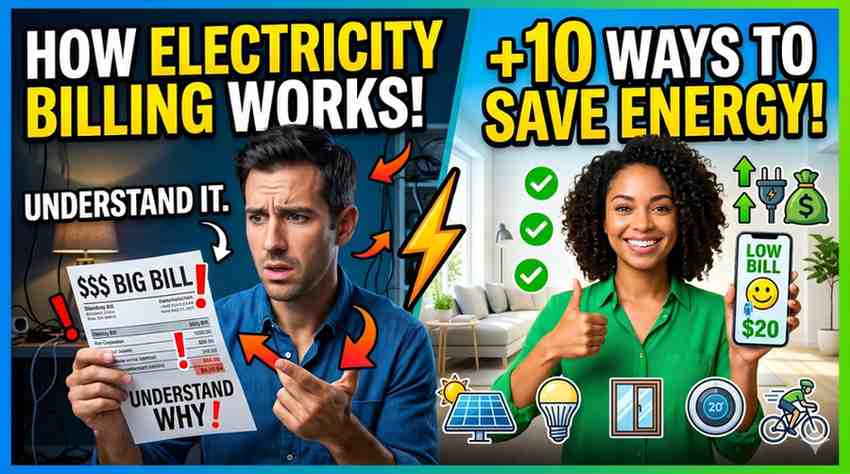
Recently, I came across a simple but surprisingly common question: do people around the world use prepaid electricity tokens, or is there another system in place? It turns out the answer is not one-size-fits-all. Different regions adopt different approaches depending on infrastructure, regulations, and user behavior. In this article, I want to break down how electricity billing generally works across the globe and also share 10 practical ways to reduce your energy consumption in everyday life.
First of all, there are two main types of electricity systems used globally: prepaid (pay-before-use) and postpaid (pay-after-use). Both systems have their own advantages and trade-offs, and both are widely used in different contexts.
In a prepaid system, users purchase electricity credits in advance. These credits are then consumed over time based on actual usage. Once the balance runs out, the electricity supply may be automatically cut off until more credit is added. This system is often chosen by users who want strict control over their budget, since it prevents overspending and eliminates the risk of unexpected bills at the end of the month.
Meanwhile, a postpaid system works more like a standard utility billing model. Electricity is used continuously throughout a billing period—typically monthly—and users receive a bill afterward based on total consumption measured in kilowatt-hours (kWh). This approach is considered more convenient because users don’t need to worry about topping up credit regularly.
In addition to these systems, many households today are equipped with smart meters. These devices automatically record electricity usage in real time and sometimes provide detailed insights through apps or online dashboards. With this data, users can better understand their consumption patterns and make smarter decisions. Or you can use this website to count your electricity.
So in simple terms:
- Prepaid: pay first, then use electricity
- Postpaid: use first, then pay later
Now, without further ado, let’s move on to something more practical—how to actually save electricity in your daily routine.
First, always turn off devices when they’re not in use. It may sound obvious, but small habits like leaving lights or electronics on can add up over time. Second, try to unplug chargers and idle electronics, since many devices still consume energy even when turned off.
Third, switching to LED lighting can significantly reduce energy usage while also lasting much longer than traditional bulbs. Fourth, if you use air conditioning, make sure to set a moderate temperature instead of extremely low settings, as this can dramatically increase power consumption.
Fifth, don’t forget to clean filters regularly, especially on air conditioners or ventilation systems. Sixth, make use of natural lighting during the day to reduce reliance on artificial lights. Seventh, avoid opening your refrigerator too often, because it forces the system to work harder to maintain its internal temperature.
Eighth, enable energy-saving modes on devices like laptops, TVs, and smartphones. Ninth, consider investing in energy-efficient appliances when upgrading your home equipment. And finally, tenth, make it a habit to monitor your electricity usage, because awareness is the first step toward efficiency.
That’s all for this article. No matter which billing system you use, the key idea remains the same: small, consistent habits can lead to meaningful energy savings over time.
Read more interesting news/tips in this link.




Leave a Reply